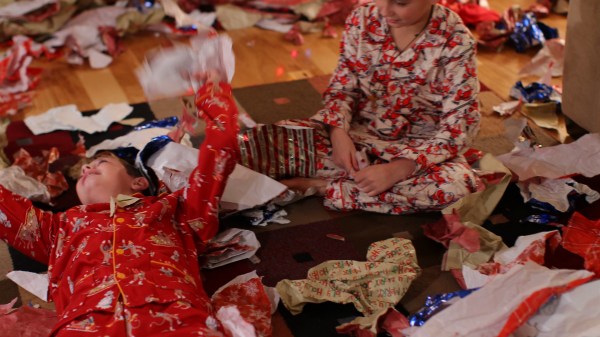
On the Morning Thing Tuesday, we pulled together a cross-generational “top 50” of the most iconic, influential, and frequently-remembered Christmas toy picks from the last 100 years, using a mix of industry and museum lists (Time’s “100 Greatest Toys,” the Toy Industry Association “Century of Toys,” Smithsonian showcases, Hamleys’ recent top-toys roundup, and retrospective pieces from Forbes/Smithsonian).
Here is that list!!
1–10
- LEGO — Interlocking plastic bricks and sets that let kids (and adults) build nearly anything; spawned an entire creative/building culture and franchise.
- Barbie — Mattel’s fashion doll (introduced 1959) that shaped generations of play with dozens of careers, fashions, and spin-offs.
- Monopoly — Classic property-trading board game known for long family game nights and countless themed editions.
- Teddy Bear — Plush bear named after President Theodore Roosevelt; an enduring comfort/collectible toy across decades.
- Slinky — Simple coiled spring that “walks” down steps — a runaway hit since its 1945 debut. TIME
- Rubik’s Cube — 3×3 twist puzzle (1974) that became a global craze and enduring brain-teaser.
- Hot Wheels — Die-cast toy cars and tracks (since 1968) known for speed, collectibility, and elaborate track sets.
- Matchbox / Small Die-Cast Cars — Small realistic toy cars that introduced generations to collecting and imaginative play.
- Play-Doh — Reusable modeling compound used for sculpting, learning shapes, and creative play since the 1950s.
- Nerf (foam toys & blasters) — Soft foam balls and blasters that brought active, indoor-safe play to millions.
11–20
- Game Boy — Nintendo’s handheld gaming system (1989) that made portable video games mainstream.
- Nintendo Entertainment System (NES) — The console (mid-1980s U.S. revival) that launched a modern era of home video games.
- Speak & Spell — Educational electronic toy (1978) that used speech synthesis to teach spelling and reading basics.
- Etch A Sketch — Aluminum-powder drawing toy that lets users sketch and erase with two control knobs.
- Transformers — Action figures that convert between robots and vehicles, combined play and collectibility.
- G.I. Joe — The action-figure line that defined military/action play (and later evolved with smaller figures and playsets).
- Star Wars action figures & playsets — Loot from the 1977 film that created the modern movie-toy blockbuster model.
- My Little Pony — Colorful collectible ponies with brushable manes, inspiring long-running media and collector fandom.
- Tamagotchi — Pocket digital “pet” (1996) requiring feeding and care — a 90s playground phenomenon.
- Beanie Babies — Small plush toys whose collectibility craze in the 1990s made them cultural must-haves for many.
21–30
- Furby — Electronic interactive pet that “learned” and responded, spawning huge holiday demand in the late 1990s.
- Cabbage Patch Kids — Distinctive soft-bodied dolls with adoption papers that triggered shopping frenzies in the 1980s.
- Easy-Bake Oven — Toy oven that lets kids “bake” small treats using a bulb or modern heating element; longtime role-play favorite.
- Rock ’Em Sock ’Em Robots — Two-fighter tabletop game where players try to pop the opponent’s robot head.
- Lite-Brite — Peg-and-light board for making glowing pictures — a simple creativity toy that endured for decades.
- Fisher-Price Little People — Chunky small figures and playsets designed for preschool hands and imaginative stories.
- View-Master — Stereoscopic picture-disc viewer that transported kids to 3-D scenes and destinations.
- Tonka Trucks — Sturdy metal (and later plastic) toy trucks built for rough outdoor play and hauling.
- Lincoln Logs — Interlocking wooden log building set that encourages simple construction and storytelling.
- Mr. Potato Head — Mix-and-match facial pieces kids attach to a potato body — one of the first toys advertised on TV.
31–40
- Playmobil — Detailed small-figure playsets (historical, modern, fantasy) encouraging long-form imaginative play.
- Trivial Pursuit — Trivia board game that became a staple of adult and family game nights.
- Jenga — Block-stacking game of steady hands and suspense that’s simple to learn and addictive to play.
- Operation — Dexterity game where players remove tiny ailments from a patient without touching the edges.
- Frisbee — Flying disc that started as a casual outdoor toy and grew into competitive sports (ultimate, disc golf).
- Hula Hoop — Simple hoop for waist spinning that sparked mass fads and active outdoor play.
- Yo-Yo — Classic spool on a string that provides tricks and skill-based play across generations.
- Lionel Model Trains (and classic train sets) — Electrified scale trains that became centerpieces of holiday displays and family tradition.
- Slot cars / Scalextric — Electrified miniature car racing on grooved tracks; competitive and collectible since mid-20th century.
- Pokémon Trading Card Game — Cards and collecting game that launched a global multimedia franchise (late 1990s onward).
41–50
41. LEGO Technic / Advanced LEGO Sets — More complex LEGO sets designed for older kids and teens that teach engineering concepts and problem-solving while encouraging creativity and constructive play.
- UNO — Fast, family-friendly card game with simple rules and party energy.
- Baby Alive — Dolls with interactive “care” features (feeding, wetting, etc.) designed for realistic baby play.
- Magic 8-Ball — Fortune-telling novelty that gives yes/no answers to kid (and adult) questions.
- Skeeball / Arcade home versions — Classic ticket-and-skill arcade favorites adapted for home play and parties.
- Polly Pocket — Tiny dollhouses and micro-playsets meant for pocket-sized adventures (90s hit).
- Simon (electronic memory game) — Circular electronic memory game where players repeat colored light/sound sequences.
- Mr. & Mrs. Potato Head spin-offs / variants — (Included because Mr. Potato Head family grew into many versions and media mentions.)
- Collectible Card Games & Miniature Games (e.g., Magic: The Gathering) — Competitive collectible games that created new hobby ecosystems.
- STEM / Coding Toys (robot kits, programmable bots) — Modern era toys (e.g., robot kits, coding toys) that teach programming and problem solving — represent the 21st-century evolution of educational play.
 Rise and Shine